Designing with Rainbow Agate Waves Backgrounds
The Organic Allure of a Natural Stone Texture
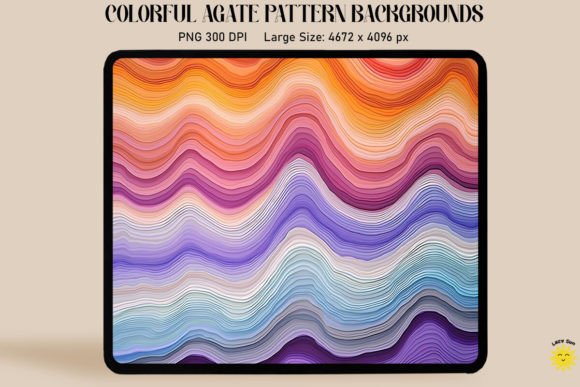
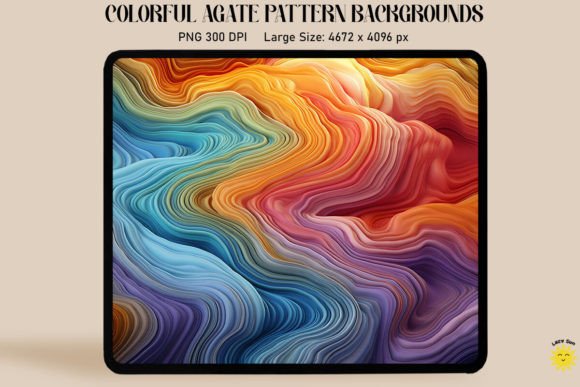
In a digital landscape saturated with flat colors and standard gradients, the introduction of Rainbow Agate Waves Backgrounds offers a refreshing return to the natural world. This design asset captures the essence of a polished gemstone slice, translating the complex, organic patterns of mineral formation into a usable digital format. The visual character of this background is defined by its fluid, curving bands of color—often referred to as agate "swirls"—that mimic the appearance of a real stone. The palette is vibrant yet sophisticated, blending deep blues, rich purples, fiery oranges, and serene greens into a harmonious, multicolored tapestry. The overall aesthetic is one of luxurious depth and natural artistry, making it a versatile tool for projects that require a touch of elegance and visual interest.
The personality of Rainbow Agate Waves Backgrounds is both bold and adaptable. It doesn't shout for attention with harsh lines or overly synthetic patterns. Instead, it draws the eye in with its intricate, marbled veining and the subtle interplay of light and shadow that gives it a three-dimensional quality. This isn't just a flat pattern; it's a textured backdrop that suggests history and the slow, powerful forces of nature. For designers and creators, this translates to a foundational asset that can anchor a project with a sense of stability and premium quality, whether the final output is a digital social media banner or a high-resolution print for packaging.
Practical Applications for Modern Creators
Understanding where Rainbow Agate Waves Backgrounds excels is key to leveraging its full potential. Its primary strength lies in applications where a strong visual foundation is needed without overwhelming the foreground content. In brand identity and logo design, it can serve as a compelling backdrop for a clean, modern sans-serif typeface, creating an immediate association with quality and natural beauty. Think of a wellness brand, a boutique jewelry line, or a high-end spa—the agate texture communicates luxury and organic purity instantly. For editorial design and publishing, it makes for stunning magazine covers, chapter dividers in books, or as a textured background for pull quotes and sidebars, adding a layer of tactile sophistication to the printed page.
The utility of this asset extends seamlessly into the digital realm. For web design, it can be used as a full-screen hero image, a section divider, or a subtle textured background for a pricing table or testimonial block. The key is to use it strategically, allowing its colors and patterns to complement rather than compete with the site's UI and text. In social media graphics, it's a game-changer. A Instagram story template, a Facebook post graphic, or a LinkedIn banner featuring Rainbow Agate Waves Backgrounds immediately stands out in a crowded feed. It provides a professional, curated look that can elevate a brand's visual consistency across platforms. For packaging design, it offers a unique way to make a product pop on the shelf, suggesting that the contents are as carefully crafted as the exterior design.
Integrating Agate into Your Design Workflow
Successfully incorporating a powerful visual asset like this requires a thoughtful approach. The first step is always to evaluate project fit. Ask yourself: does the brand's personality align with the natural, luxurious, and slightly abstract nature of agate? A tech startup focused on minimalism might find it too busy, while a creative agency or artisanal product maker would likely find it a perfect match. When testing font pairing, contrast is your ally. The organic complexity of the agate pattern pairs exceptionally well with clean, geometric sans-serif fonts (like Montserrat or Helvetica Neue) or elegant, simple serif fonts (like Playfair Display). Avoid pairing it with highly decorative script fonts or handwritten fonts that could get lost in the texture or create visual chaos.
The specific technical details of this asset are crucial for a smooth workflow. The included PNG file is a substantial 4672 x 4096 pixels at 300 DPI, making it a true HD background suitable for large-format print projects. This high resolution means you can confidently use it for everything from a small business card to a large-scale banner or poster without worrying about pixelation. Remember that the colors in the digital file may appear slightly different on various screens and in print, so it's always wise to do a test print for color-critical projects. Since it's a single, non-layered file, it's not intended for cutting machines but is perfect as a complete background element. The practical nature of this design asset—its large size, professional resolution, and versatile format—makes it a valuable addition to any creative's toolkit, ready to be resized and adapted to fit the unique demands of each new project.